High-quality professional architectural photo of a modern su

Mechanics of
Home Equity.

A Home Equity Line of Credit (HELOC) is a revolving credit facility secured by your property. Understanding the technical stages of borrowing is essential for maintaining long-term financial stability and resource efficiency.

The Lifecycle of a Credit Line

A HELOC functions differently than a standard term loan. Instead of receiving a lump sum, the homeowner is granted access to a specific credit limit based on the appraised value of their property and existing mortgage balance. This system allows for the rational use of capital, where funds are drawn only when necessary, minimizing unnecessary interest accumulation.

The process begins with a professional assessment of the LTV (Loan-to-Value) ratio. Lenders typically allow homeowners to borrow up to 80% of their home's value, minus the remaining mortgage. This ensures a safety buffer is maintained, protecting both the homeowner and the local housing ecosystem from market volatility.

Interest Rates Breakdown

Most HELOCs utilize variable interest rates tied to a benchmark, such as the Prime Rate. This means the cost of borrowing can fluctuate based on broader economic shifts. For those focused on Responsible Equity Use, monitoring these rates is a prerequisite for effective debt management.

  • The Margin: A fixed percentage added by the lender to the index rate, determined by your credit profile.
  • Periodic Caps: Limits on how much the rate can change during a single adjustment period.
  • Lifetime Caps: The maximum interest rate that can ever be charged over the life of the credit line.

Sample Rate Calculation

Component Typical Percentage
Current Prime Rate 7.50%
Lender Margin +1.00%
Total APR 8.50%

The Two Phases

Phase 01

The Draw Period

Typically lasting 10 years, this is the window where you can actively withdraw funds up to your limit. During this stage, most lenders only require interest-only payments. This provides flexibility for ongoing projects like sustainable home retrofitting or energy-efficient upgrades.

Read Equity Management Articles
Phase 02

The Repayment Period

Once the draw period ends, the line is closed to new withdrawals. Over the next 15 to 20 years, you must repay both the principal and the interest. Monthly payments will increase significantly as the balance is amortized over the remaining term.

Property Appraisal and LTV
"Borrowing against your home is not a source of income; it is a strategic reallocation of your property's stored value."

— Wooden Receipt Technical Advisory

Repayment Structure

1. Interest-Only Option

Available only during the draw period. This minimizes immediate cash flow pressure but does not reduce the debt balance. It is a tool for short-term liquidity management, not long-term debt reduction.

2. Principal + Interest Amortization

The standard requirement during the repayment phase. Payments are calculated to ensure the balance reaches zero by the end of the term. This requires disciplined budgeting as the monthly obligation rises.

3. Balloon Payments

Some older or specific HELOC structures may require the entire remaining balance to be paid in one lump sum at the end of the draw period. We recommend reviewing your contract to avoid this high-risk scenario.

Variable vs. Fixed Rates

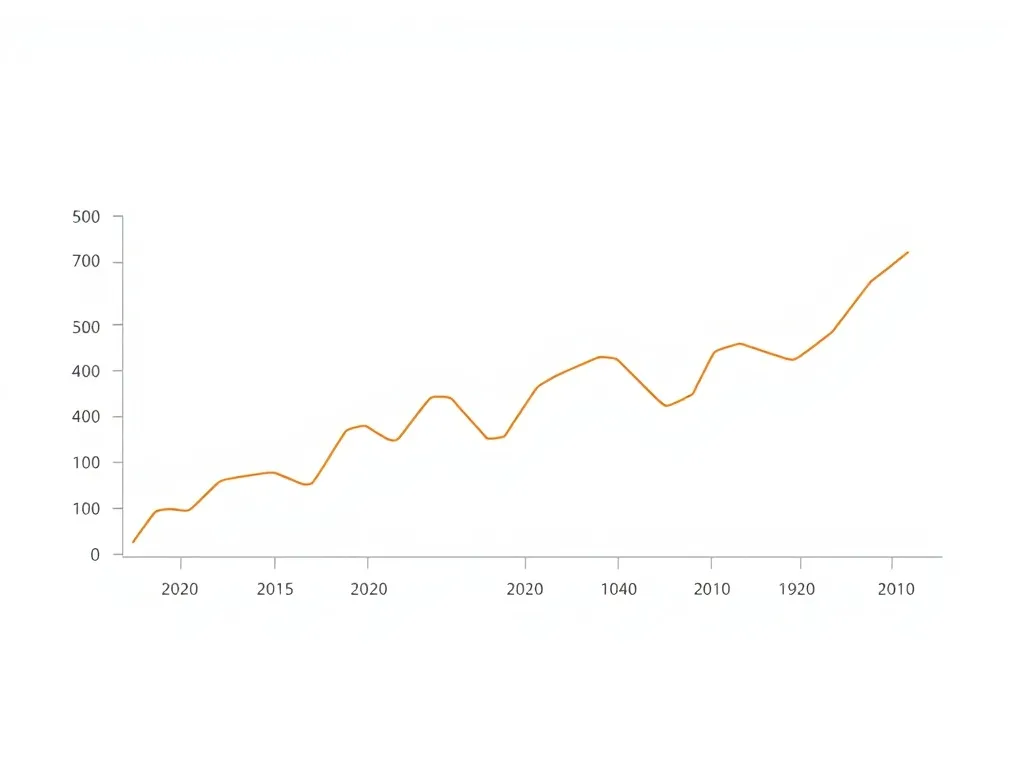
A clean, technical line chart showing fluctuating interest r
Illustration 1 — Historical volatility of variable prime rates.

Variable Rate HELOC

The standard format. Rates adjust monthly or quarterly. This is beneficial when market rates are falling, allowing for lower interest costs without refinancing. However, it introduces the risk of payment shock if central bank rates rise sharply.

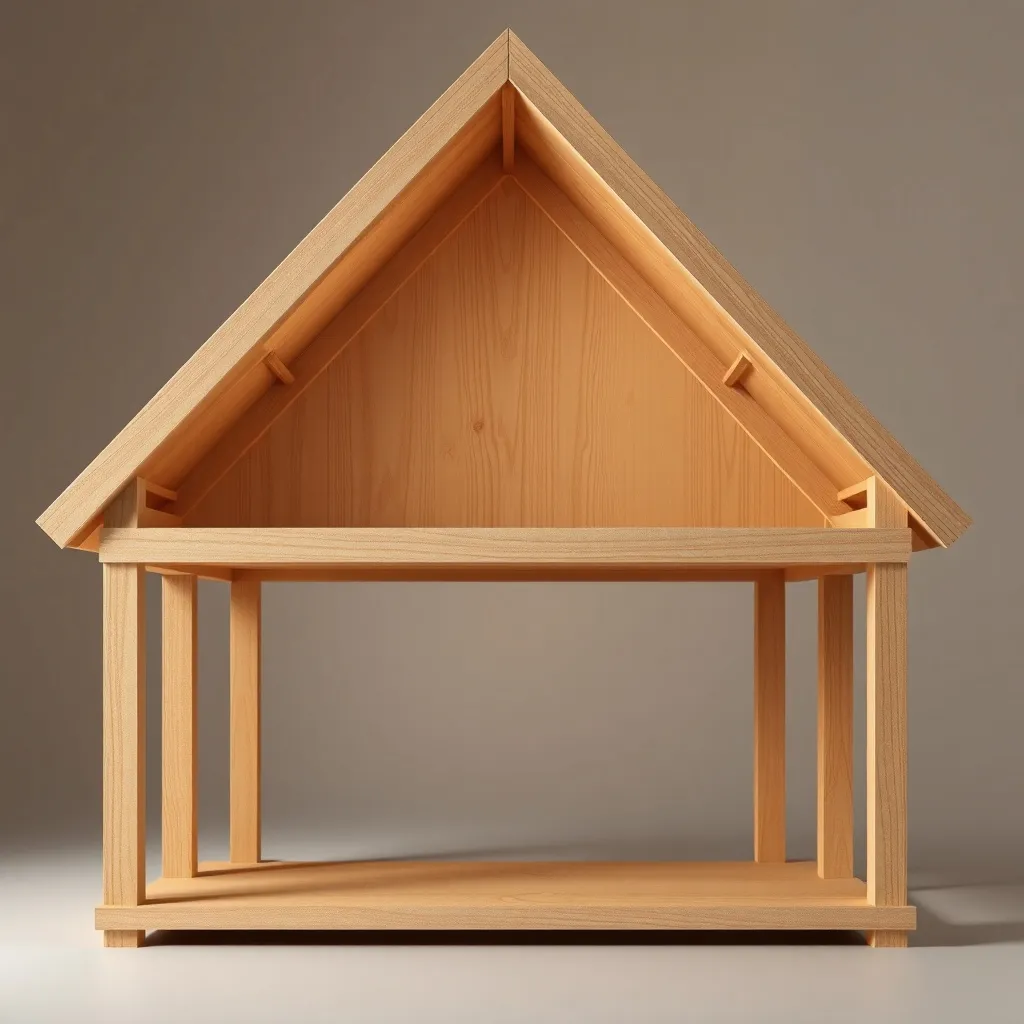
A stable architectural structure made of light wood, represe
Illustration 2 — Conceptual stability of fixed-rate segments.

Fixed-Rate Draw Options

Some lenders allow you to "lock in" a portion of your balance at a fixed interest rate for a set term. This hybrid approach provides the flexibility of a line of credit with the predictability of a traditional loan, protecting against inflation.

Frequently Asked Questions

Can I pay off the balance early?

Yes, most HELOCs allow for early repayment without penalties, though some may have a "closure fee" if the account is shut down within the first 2-3 years.

What happens if my home value drops?

If your LTV ratio exceeds the lender's threshold due to a market downturn, they may freeze or reduce your credit limit to protect the asset's equity balance.

Are there closing costs?

HELOCs typically involve appraisal fees, title searches, and attorney fees, similar to a primary mortgage, though often at a lower total cost.

Ready to assess your equity?

Our technical guides help you navigate the complexities of property-backed finance with transparency and environmental responsibility.